The Best Nintendo Remakes Aren't the Ones You Think
Nintendo's back catalogue is a graveyard of remakes. Most are fine. A few are essential. Here's why.
I fired up The Legend of Zelda: Link's Awakening HD on Switch the other day. Not the 2019 remake—the original Game Boy version, preserved on NSO. And I noticed something. The original's cramped, monochrome world didn't feel smaller after playing the remake. It felt denser. Every screen mattered. The remake gave you a beautiful diorama to wander, but the original made you earn every step.
That tension—between preservation and reinvention—lives at the heart of every Nintendo remake. And ranking them isn't about which one looks the prettiest. It's about which one gets it.
The one that got it right: Metroid: Zero Mission
Nintendo didn't just update Metroid for the GBA. They rewired its DNA. The original NES Metroid was a landmark, but it was also punishingly opaque. Zero Mission kept the isolation, the anxiety, the sense of being alone on a hostile planet. Then it added a whole new endgame sequence that fixed the original's biggest problem (you could get stuck forever) without betraying its spirit. It's the rare remake that improves the original so completely that you almost never need to go back. Almost.
The one that changed too much: Metroid: Samus Returns
MercurySteam's 2017 3DS remake of Metroid II is technically fantastic. Responsive controls, slick combat, a gripping atmosphere. But it replaced the original's quiet, almost meditative exploration with constant action. The original Metroid II forced you to stop and listen. The remake never stops. It's a good game. It's a bad remake.
Here's the unexpected connection: Nintendo's remake philosophy mirrors what Capcom did with Resident Evil 2. The 2019 remake kept the core loop—exploration, puzzles, the Tyrant breathing down your neck—but changed how you moved through the world. Zero Mission did the same thing twenty years earlier. Samus Returns changed the world itself. There's a difference.
The remaster that mattered: Super Mario 3D All-Stars
Look, I know this collection was a cynical cash grab—timed release, barebones ports, no Galaxy 2. And yet, having Super Mario Sunshine in 1080p with proper widescreen controls? That's preservation. Sunshine was the weird cousin of 3D Mario, and the remaster let a new generation discover why its messy ambition worked. Sometimes a remaster is enough. Sometimes you don't need new content. You just need a clean window back into a game you're scared to replay because your GameCube is in a box somewhere.
The trend that bothers me
Nintendo's recent remakes—Link's Awakening, Mario RPG, Paper Mario: The Thousand-Year Door—all share a visual identity. They're plastic. Toyetic. The original Link's Awakening had that weird, dreamlike quality because of the Game Boy's limitations. The remake sanded off the rough edges and replaced them with charm. Charm is great. But the rough edges were part of the dream.
Will the upcoming Ocarina of Time remake on Switch 2 sand off its edges? That game's atmosphere—its melancholy, its sense of a world already past its prime—depends on a certain visual grit and mechanical friction. If you polish Ocarina of Time into a shiny toy, you lose what made it Ocarina of Time.
So who wins?
If I had to pick one Nintendo remake to keep on a desert island, it's Zero Mission. It respects the original by knowing exactly what the original was trying to do and finishing the job. The runner-up is The Wind Waker HD—not because it needed the facelift (it didn't), but because it fixed the Triforce quest, which was the only thing holding that masterpiece back.
The worst? Pokémon Brilliant Diamond and Shining Pearl. Those remakes showed up, copied the homework, and added nothing. No new ideas, no respect for the source material's soul, just a 1:1 reproduction in a new coat of paint. That's not a remake. That's a taxidermy.
Nintendo's best remakes aren't the ones that polish the most pixels. They're the ones that understand why the original mattered in the first place—and then prove it all over again.
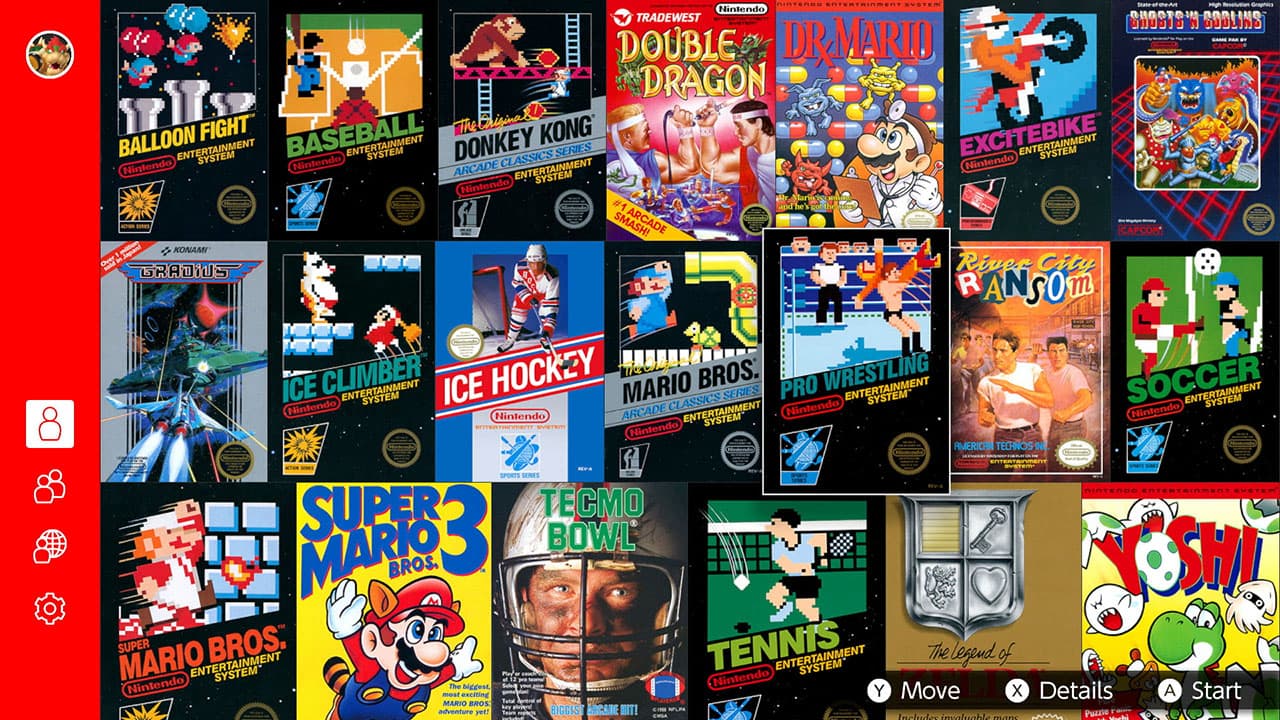
"Nintendo's best remakes don't just update the graphics—they remember what the original was trying to say and finish the sentence."
— TED