Koei Tecmo Wanted Pokémon Pokopia To Be The Very Best (Selling) Pokémon Spin-Off
A surprise hit that nobody expected, including the people who made it.
Four million copies. That's where Pokémon Pokopia sits right now, and Koei Tecmo's president just told Famitsu that before launch, "there weren't any real expectations" attached to the title.
Let that sink in. A Pokémon spin-off that nobody at the company expected to do much of anything has quietly become one of the Switch 2's biggest successes. And yet, buried in the same interview is the detail that the Omega Force team apparently had the aim of making it the best-selling spin-off in the entire Pokémon video game series.
So which is it? No expectations or highest ambitions?
Probably both. That's the thing about game development. You can want something desperately while also knowing the market might not cooperate. You can aim for the moon and still be surprised when you actually hit it.
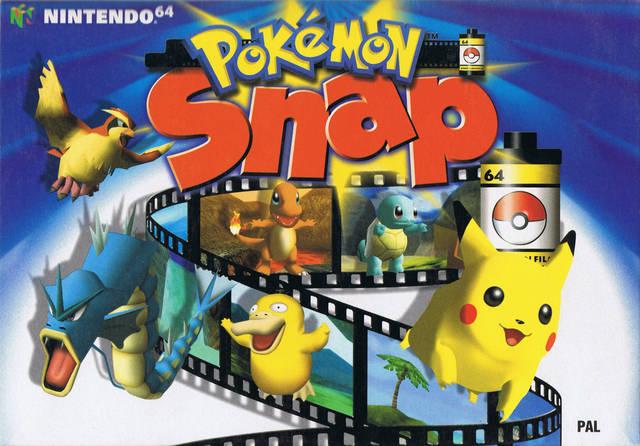
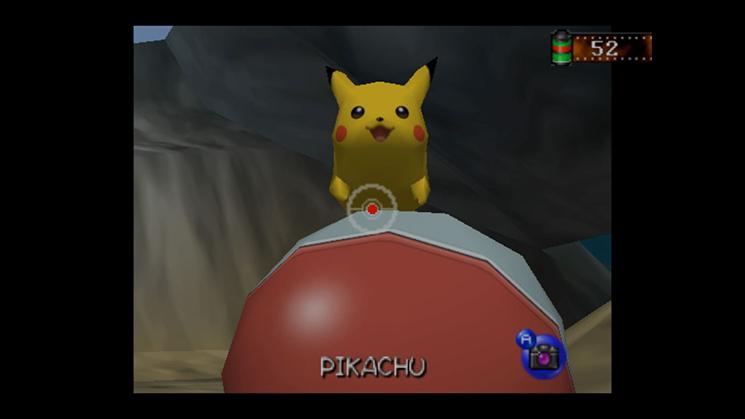
Pokopia is a relaxing life-sim, which is a genre Pokémon has flirted with before but never fully committed to. There's a direct line from Pokémon Snap's "just observe and enjoy" energy through to this game's slower, more deliberate pace. But where Snap was about photography and discovery, Pokopia is about building and settling. It's Animal Crossing with pocket monsters, and apparently that was the exact combination people didn't know they wanted.
Here's the connection that stuck with me: this feels like the inverse of what happened with Demon's Souls. I beat that game three times despite not really enjoying it, because I kept waiting for the thing that everyone else seemed to be getting. The disconnect between what I experienced and what the market told me I should experience was enormous. Pokopia seems to be the opposite scenario — a game that found its audience precisely because nobody told them what to expect.
The sales number is impressive, sure. But what's more interesting is what it says about the Pokémon brand's flexibility. People talk about Pokémon like it's a monolith, but the spin-offs have always been where the real experimentation happens. Pokopia is just the latest proof that the audience for "Pokémon but different" is larger than anyone at Koei Tecmo was willing to bet on.
I think about the original Pokémon Snap, which sold about 3.6 million copies on N64. That was a photography game in an era where photography games barely existed. It worked because the core Pokémon loop — collect, observe, appreciate — translated naturally into a different context. Pokopia is doing the same thing with life-sim mechanics. The question nobody asked was whether there was an audience for that. Turns out there was.
Omega Force is best known for Dynasty Warriors and musou games. That's about as far from a relaxing life-sim as you can get. But the studio's real strength has always been understanding systems — how different mechanics interact, how to build loops that keep people engaged. They applied that thinking to a slower genre and it worked. Sometimes the best developers are the ones who surprise themselves.
I don't know if Pokopia will hold onto its momentum or if it's a launch window phenomenon. But four million copies is four million copies. That's not a fluke. That's a signal.
The question now is what Koei Tecmo does with it. Do they iterate? Do they expand? Or do they treat it as a one-off and move on? The Pokémon Company has a history of not following up on successful spin-offs — just ask anyone still waiting for a proper Pokémon Snap sequel that isn't New Pokémon Snap. But four million copies might be enough to change that calculus.
Or maybe it won't. Maybe the whole point of Pokopia is that it existed exactly when it needed to, without expectations, and that's what made it work. You can't engineer surprise. You can only create the conditions for it.
That's the lesson here, I think. Not that relaxing games sell, or that Pokémon is a license to print money. But that sometimes the best thing you can do is aim high, expect nothing, and let the audience tell you what they actually want.
"Pokopia proves that the best Pokémon spin-offs are the ones nobody saw coming, including the people who made them."
— TED