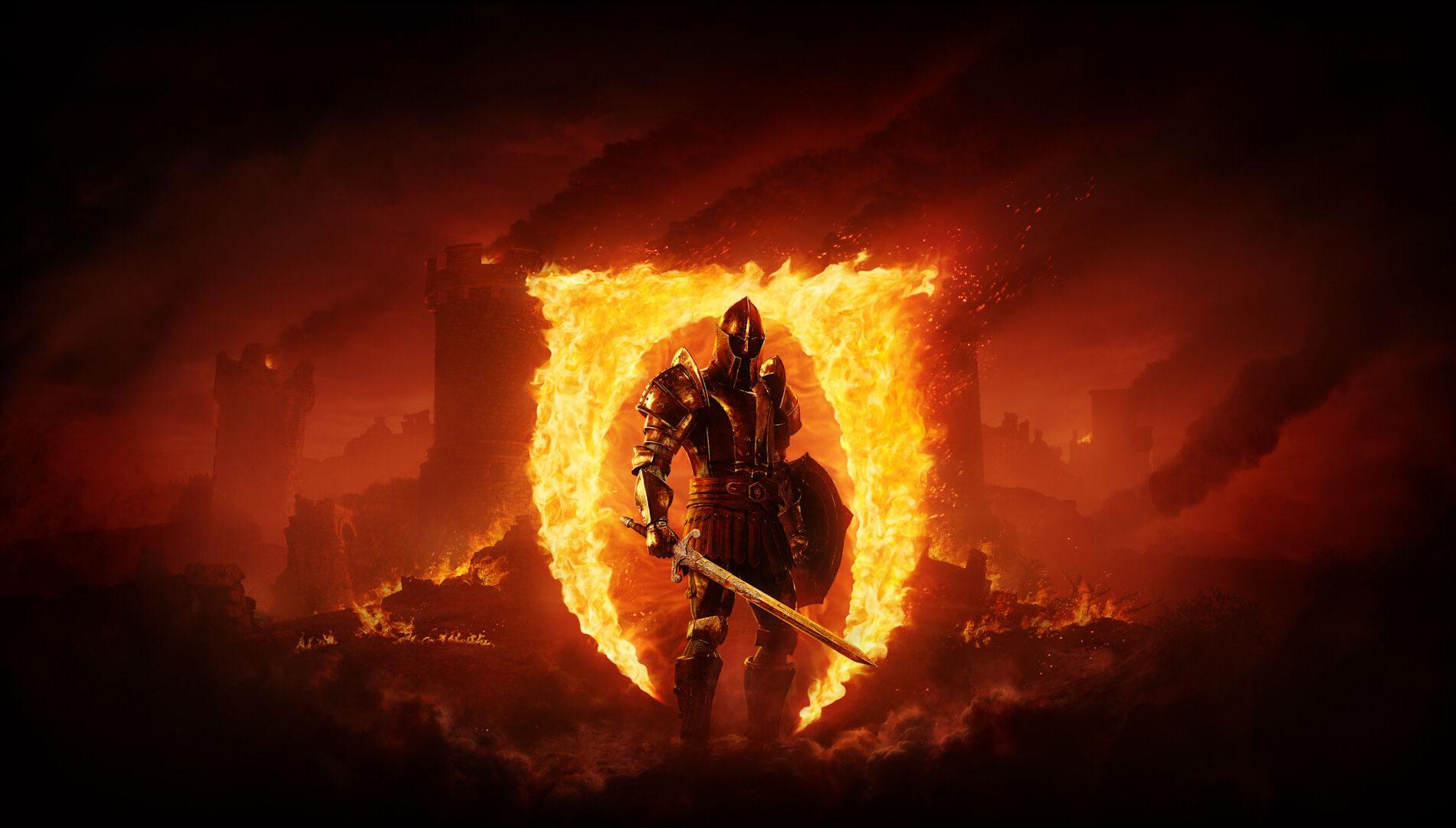
Oblivion Remastered Fell Out of the UK Charts, and That's Actually Fine
The boxed chart's tumbling act is a story about how we play games now, not how good the remaster is.
Sunday afternoons used to mean one thing in my house: the UK boxed charts on teletext. Page 370-something, green phosphor text, and the unshakeable belief that whatever sat at number 20 was something your friend's mum bought in a petrol station. The charts felt alive because they tracked what was physically leaving shelves, which felt like a measure of real people's real decisions.
So when the news hit that Oblivion Remastered has tumbled from the top spot to number 20 after a single week, part of me twitched. The old instinct says “that's a bomb.” The rational part, the one that has watched this industry morph and fold in on itself for twenty years, reads it differently. This isn't a message about quality or demand. It's a message about where demand actually lives now.
Let's be clear: falling from number 1 to number 20 in boxed charts would have been a catastrophe in 2006. But in 2026, a physical copy is more artifact than object. The article itself notes that anyone keen to play Oblivion likely already did at launch, especially with it sitting on Game Pass. You can't spike a chart with a subscription. The chart is now a lagging indicator, not a leading one.
Here's the connection nobody's drawing: this isn't the first time Oblivion has transcended a sales chart. The original PC release in 2006 was one of the first major games to ship with Steam, back when Valve's platform was still a thing people explained to you with a diagram. Oblivion didn't top the boxed charts in the traditional sense for that platform—its numbers lived on a server, invisible to any retailer. The remaster falling off a physical list now feels like the same ghost story. The sales are there, just not in a place where teletext can see them.
And yet, the tumble is worth pausing on. Not because it's a harbinger of failure, but because it shows how different the remaster's life is compared to the original. Oblivion in 2006 had a slow burn—people bought a 360 for this game over the course of a holiday season. The remaster's launch was a flashpoint: everyone who was going to get it did so in one go. That's not a shortcoming; that's the release structure of a game in a post-Game Pass world. You don't need to convince someone to drive to HMV when they can press A on a controller.
The texture of this fall still feels strange though. I look at number 20 and think about the original Oblivion sitting on my shelf, all cracked jewel case and smudged manual. It survived because I had to physically put it in once and then it became part of my room. There's no such anchor in the digital era. But that doesn't make the game less alive—it means its permanence is measured in players' memories rather than weekly fluctuations in a spreadsheet.
What we're really seeing is the shift from charts as a public ledger to charts as a whisper. The remaster is still being played; it's just not being counted the same way. So this isn't a story about Oblivion falling. It's a story about how we've changed the definition of what a sale means, and we're still using old rulers for new terrain.
Oblivion doesn't need to stay pinned to a chart to be alive. It lives in the memory of every player who lost a day to it, and no sales tracker can put a number on that.
Frequently Asked Questions
Because most people who wanted it already bought it at launch, and the Game Pass release covered a huge chunk of the audience. Physical sales are a small slice of the pie now, and that slice shrinks fast after week one.
Yes, it launched on Xbox Game Pass along with its release. If you're playing it through a subscription, you're not part of the boxed chart numbers—and that's exactly why the chart drop looks dramatic.
No. The charts measure delivery methods, not quality. The original Oblivion's PC version was one of the first to ride the Steam wave, and that didn't make it worse—it just meant its numbers lived somewhere no one could see.
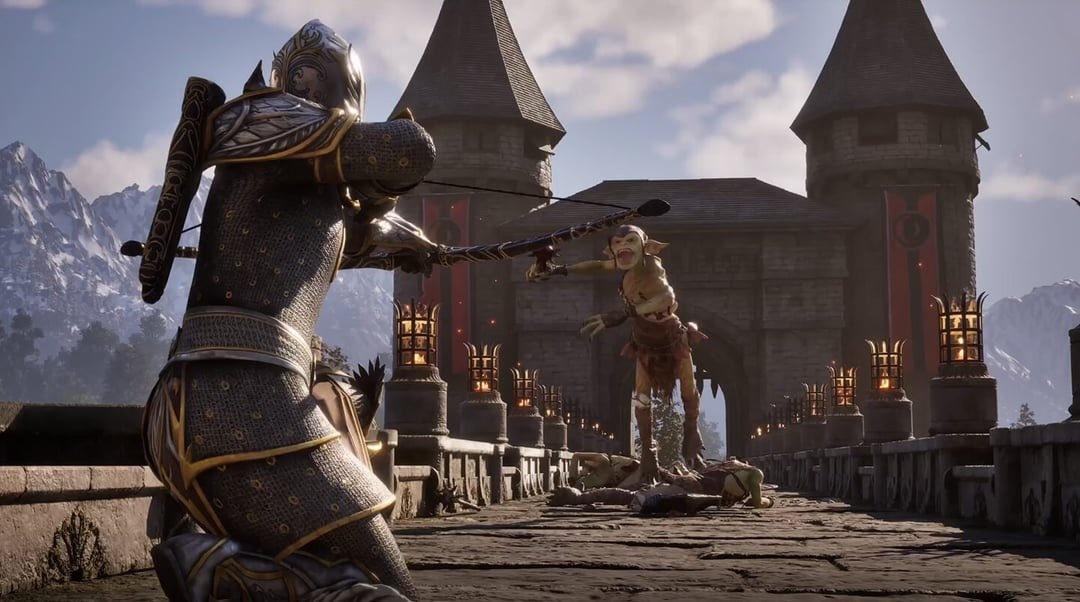
"Oblivion Remastered's chart tumble isn't a failure—it's a sign that boxed sales are now just an echo, not the voice."
— TED