
Turnip Mountain: A Turnip With Ambition and the GBA Ghost in Its Climbing Gloves
Subtitle: Donkey Kong's forgotten climbing game gets a vegetable-shaped resurrection that earns every inch of the mountain.
There's a moment about ten minutes into Turnip Mountain where you're hanging by one hand, the other reaching for the next peg, and you realize the turnip is grinning. It's a tiny, pixelated grin on a vegetable face that has no business expressing anything. But there it is. And you grin back, because you've just made a jump that three tries ago sent you tumbling back to the bottom of the screen. That's the loop: fail, learn, reach, repeat. It's simple. It's elegant. And it hasn't been done this well since 2005.
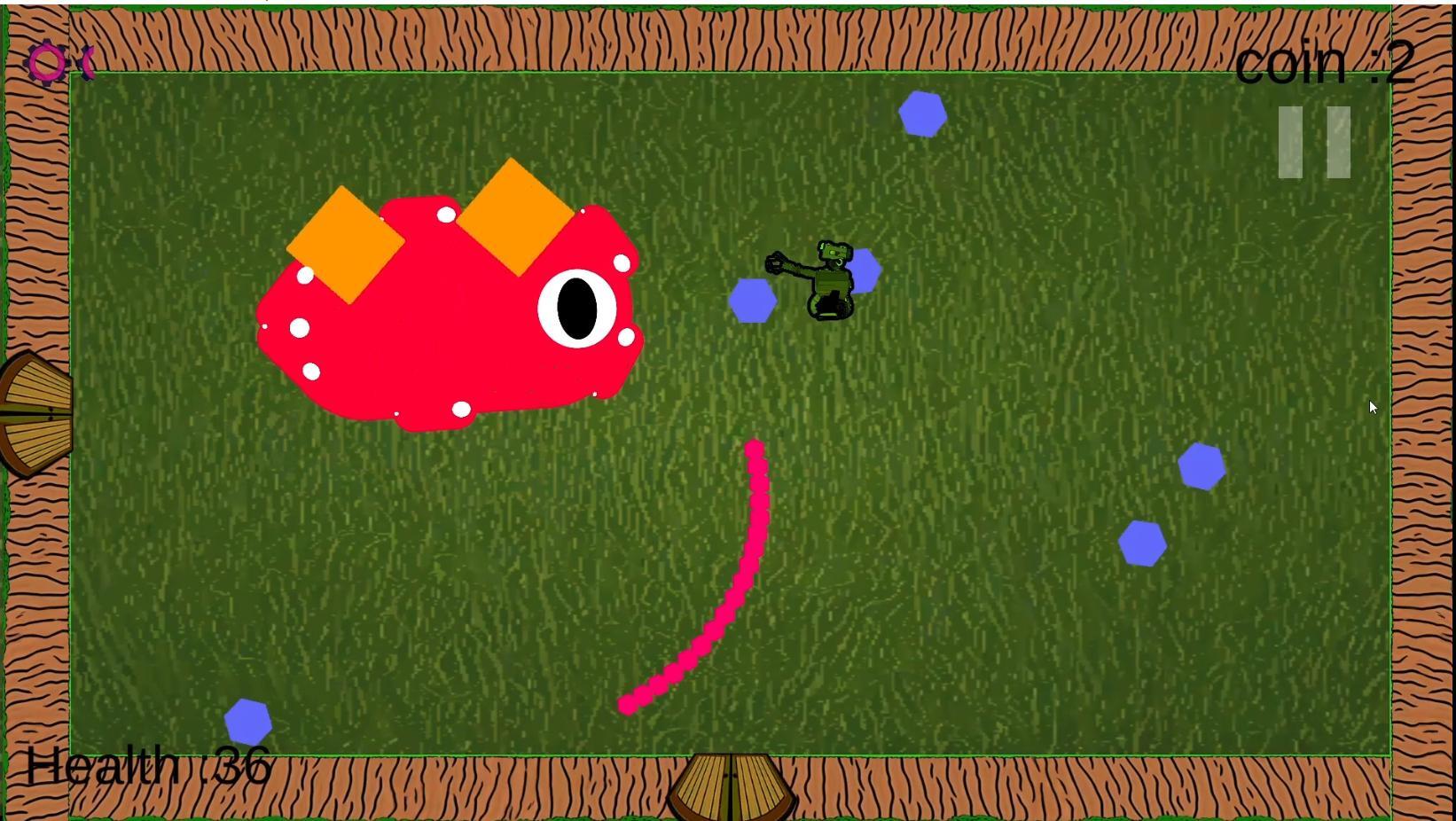
Let's get the obvious out of the way: Turnip Mountain is a spiritual successor to DK: King of Swing. If you played that Game Boy Advance oddball, you know exactly what that means. You grip pegs with two buttons—one for each hand—and alternate between them to climb upward while dodging spikes, crumbling platforms, and the occasional angry bird. The turnip protagonist doesn't have DK's tie or his coconut gun, but it does have Mickey Mouse gloves on those oversized hands. Yes, it's horrifying if you think about it too long. But the horror dissolves the moment you start climbing.
Here's what matters: the game understands why King of Swing worked. It wasn't just the novelty of button-mashing your way up a wall. It was the tension of having to coordinate two separate inputs while the game threw obstacles at you that demanded split-second decisions. Turnip Mountain replicates that tension faithfully and then adds its own twist: the turnip has a stamina meter. Hold a grip too long and you lose your purchase. It forces you to keep moving, to trust your next grab before your current one gives out. That's a small change, but it transforms the pacing from leisurely puzzle-platforming into a controlled panic.
I keep coming back to that panic because it reminds me of something else entirely. There's a moment in Super Mario World—the one where you have to ride the moving platforms in Vanilla Dome while avoiding the lava. You can't stop. You can't hesitate. You just have to commit. Turnip Mountain does that same thing, but vertically, with a turnip. The connection sounds absurd until you're in the middle of a climbing sequence and you realize your brain is using the same muscle memory it built thirty years ago on a Super Nintendo controller. Games teach us patterns. They teach us trust. This game trusts that you've been trained by decades of platformers, and it doesn't apologize for expecting you to perform.
The charm is real, too. The art style is clean and colorful without being saccharine. The turnip's animations are minimal but expressive—a little wobble when it's about to slip, a determined set of eyes when it's in the zone. The sound design is mostly pleasant plinks and soft thuds, nothing that will annoy you on a long bus ride. It's the kind of game that could live on a phone, but someone had the good sense to put it on a console where it deserves a proper d-pad.
Is it hard? Yes, but not unfairly. The difficulty ramps in that classic GBA way: each new hazard is introduced in isolation, practiced in a safe environment, and then combined with everything else you've learned. By the final stages, you're juggling collapsing blocks, moving pegs, and enemies that chase you up the wall. It's demanding, but it never cheats. Every death is your fault, and every success feels earned.
Who is this for? If you played King of Swing and wondered why nobody else ever tried that mechanic again, this is your answer. If you never played it but enjoy climbing games—Celeste's vertical sections, Grow Home, even the climbing in BOTW—this scratches a similar itch with tighter focus. It's not a masterpiece. It's not trying to be. It's a lovingly crafted homage that understands what made a forgotten gem work, and it does that one thing well from start to finish.
The turnip wants to touch the stars. You just have to help it not fall. That's the whole game. That's the whole point.

"Turnip Mountain doesn't reinvent the mountain; it just climbs it with a grin, and that's exactly what a forgotten GBA classic deserves."
— TED