The Big Final Fantasy 7 Revelation Interview
Square Enix's remake trilogy isn't just nostalgia — it's a conversation between two versions of the same game.
I remember the moment in Final Fantasy 7 Remake when the camera pulled back and I saw the Sector 5 slums rendered in full, dirty, lived-in detail. Not the chunky polygons I'd memorized as a kid, but a real place with real light and real garbage and real people who looked tired. And I felt something I didn't expect: not joy, not recognition, but a strange kind of grief. The original game existed in my head as a perfect, abstract memory. Now here was a version that insisted on being concrete.
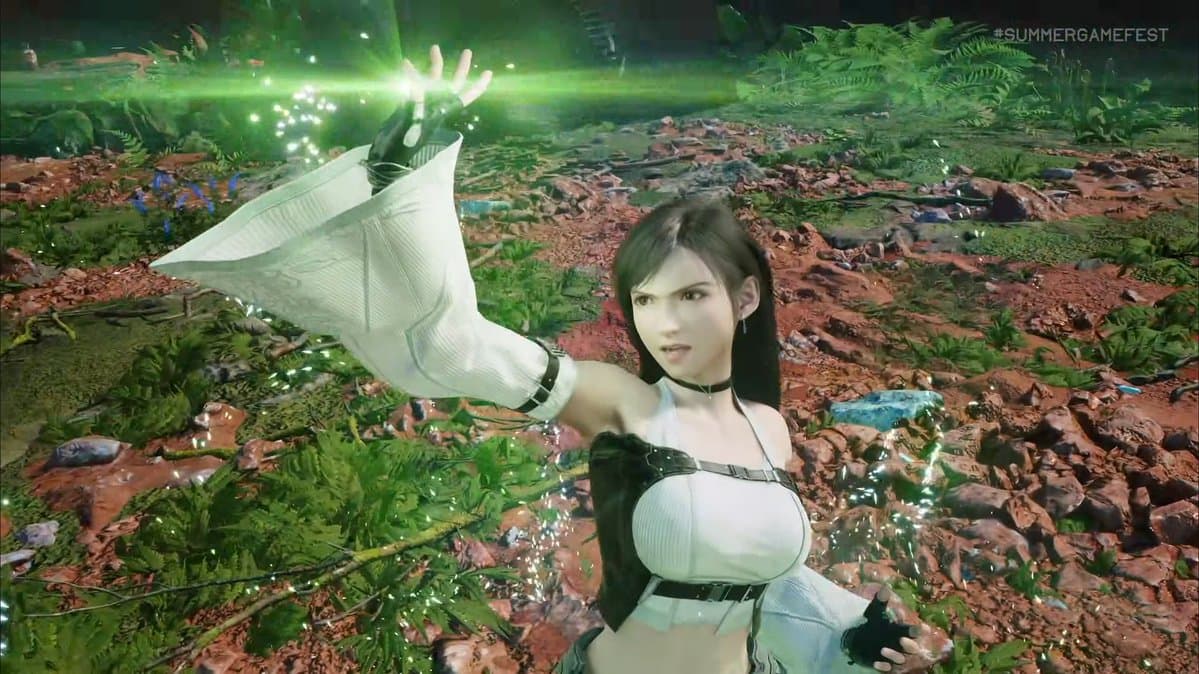
That tension is what makes the remake trilogy work, and it's what the big new interview with co-director Naoki Hamaguchi gets right. He talks about nostalgia as a tool — not a crutch, but a deliberate design language. The way certain musical motifs are teased before they arrive at full volume. The way iconic enemies show up in slightly remixed contexts. The way dialogue is expanded to fit a world that now has room to breathe.
This isn't just fan service. This is a developer who understands that nostalgia isn't about recreating a moment — it's about recreating the feeling of experiencing that moment for the first time, while acknowledging that you've changed since then. The game knows you've played the original. It's counting on it.
And here's the connection nobody's drawing: this is exactly what Capcom did with the Resident Evil 2 remake. That game didn't just update the graphics — it rearranged the entire police station layout, changed how Mr. X pursues you, and made the story beats land differently because you now have modern survival horror expectations. Both remakes are less about preservation and more about reinterpretation. They're conversations between the original developers and their younger selves, mediated by new technology and a changed audience.
Hamaguchi says something in the interview that stuck with me: they wanted to create a version of Final Fantasy 7 that feels like the one you remember, not the one that actually existed. That's a profound admission. Because the version you remember is always better. The textures are smoother. The pacing is tighter. The emotional beats hit harder. Memory is the ultimate remaster.
Who is this for? It's for people who have finished the original game more than once. It's for people who can hum the overworld theme from muscle memory. It's for people who have spent years imagining what the Honey Bee Inn might look like with modern graphics and then felt both delighted and slightly uncomfortable when they actually saw it. This trilogy isn't trying to replace the original. It's trying to live alongside it, in your head, as a companion piece.
I think about how Pokémon taught me elemental weaknesses that later showed up in Dragon Age. I think about how Final Fantasy 7 taught me that a game could make me cry, and then the remake taught me that a game could make me cry about a different part of the same story. The materia system is the same, but the context is completely different. Cloud's PTSD is no longer a late-game reveal — it's woven into every interaction from the start. The game trusts you to hold both versions in your head at once.
That's not nostalgia. That's archaeology. You're digging through your own history while simultaneously experiencing something new. And the developers know it. They're counting on it. They built a game that only works if you've played the original, but also works if you haven't — just in a different way.
So what's the verdict? The Final Fantasy 7 remake trilogy isn't a remake. It's a sequel to your memory of the original. And that's more interesting than any straight remaster could ever be.
"The Final Fantasy 7 remake trilogy isn't a remake — it's a sequel to your memory of the original, and that's far more interesting."
— TED