Clair Obscur on Switch 2: The 'Big Technical Challenge' Is the Point
How porting an impossible game forces developers to remember what makes their work matter
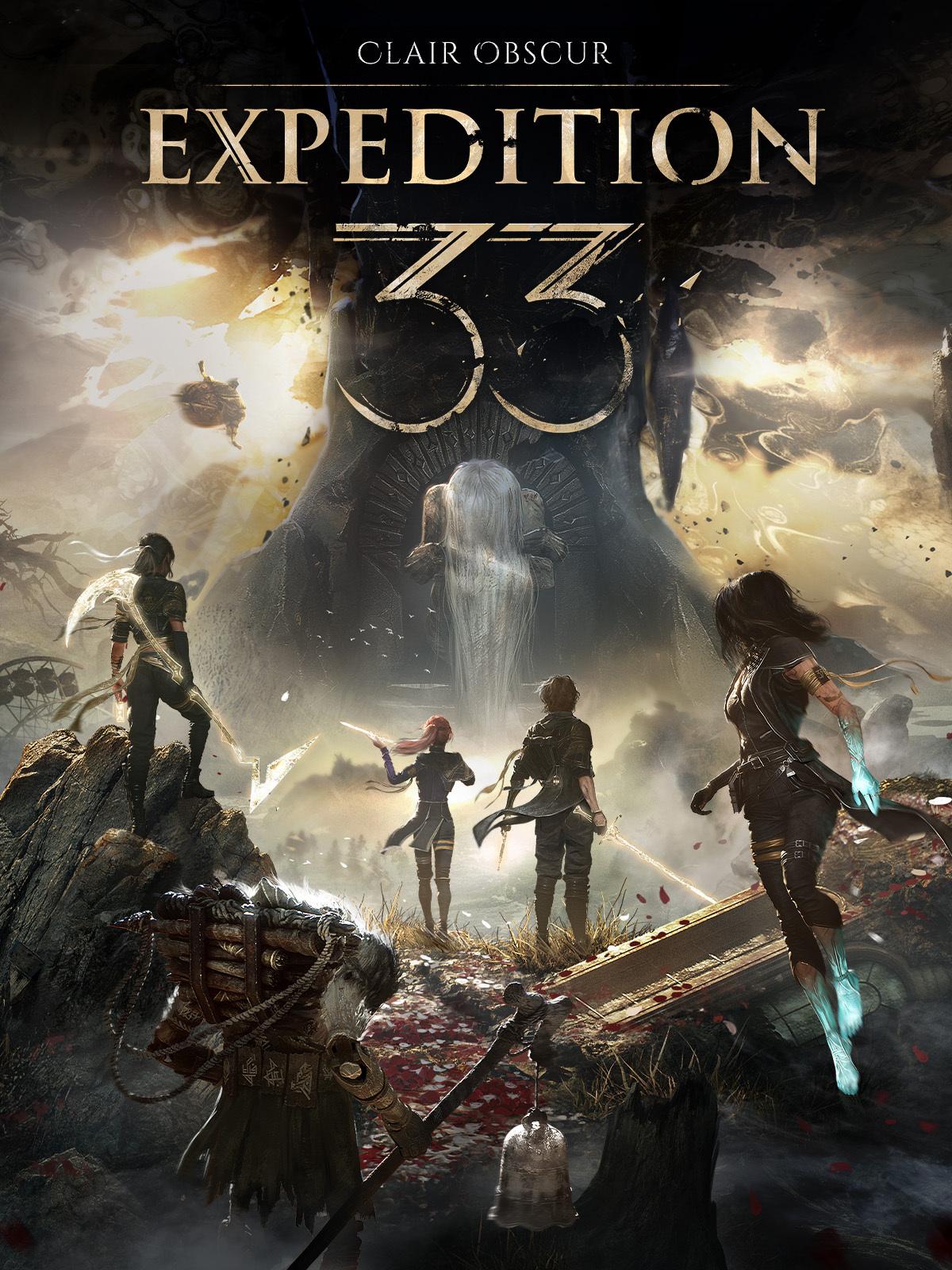
Sandfall Interactive confirmed what a lot of us suspected: they're working on a Switch 2 version of Clair Obscur: Expedition 33. They also said something honest, which is rarer than you'd think: it's a "big technical challenge."
That sentence lands differently depending on who you are. If you're a PC gamer with a 4090, it probably sounds like an excuse. If you're a developer, it sounds like Tuesday. But if you're someone who played The Witcher 3 on the original Switch? It sounds like the beginning of something interesting.
Let's be real: Expedition 33 is a Unreal Engine 5 game built for beams of light and particle effects. It's the kind of visual spectacle that makes you pause in a firelit cave just to watch the shadows move. The Switch 2 is more capable than its predecessor, but it's not a desktop replacement. Getting that game to run on mobile hardware without stripping out its soul is a legitimate engineering problem.
And that's exactly why I'm not worried.
There's a lineage here. It's the same lineage as Doom on the SNES—the one that id Software said couldn't be done until Randy Linden squeezed it into a cartridge with half the RAM of a typical 386. It's the same lineage as Pokémon Stadium on the N64, which forced Game Freak to rebuild every battle animation from scratch for 3D and accidentally created the template for every future Pokémon battle. When a developer says "big technical challenge," they're not complaining. They're telling you they're about to discover something about their own game that they didn't know before.
Constraints breed creativity. That's not a platitude—it's a historical fact of game development. The best ports aren't the ones that run identically to the original. The best ports are the ones that make you understand the game better. Resident Evil 4 on the Switch wasn't a technical marvel, but the way it handled the inventory screen on a small display actually improved the tension. Dragon Quest XI on Switch compromised on draw distance, but the loading times were so seamless that it became the definitive way to play for many people.
Sandfall isn't trying to replicate the PC build. They're trying to translate it. And translation always involves loss, yes, but also gain. You gain the ability to play a 50-hour RPG on a bus. You gain the tactile immediacy of handheld controls. You gain the satisfaction of knowing the game was made to work within a frame, not just thrown into it.
Who is this for? It's for people who played Expedition 33 on PC or PS5 and thought, "I wish I could take this with me." It's for people who skipped it because they assumed it would never come to a Nintendo system and are now reconsidering. And it's for people who trust that when a studio says something is a challenge, they're not making excuses—they're making art.
The only question is how much of the original vision survives the compression. And honestly, I'd rather have a version that keeps the combat system, the writing, and the branching narrative intact, even if I have to lose some volumetric fog. Because what makes Expedition 33 special isn't its particle count. It's the decisions it forces you to make under pressure.
Those decisions will land just as hard on a smaller screen.
So yes, it's a big technical challenge. Let's see what they learn from it.
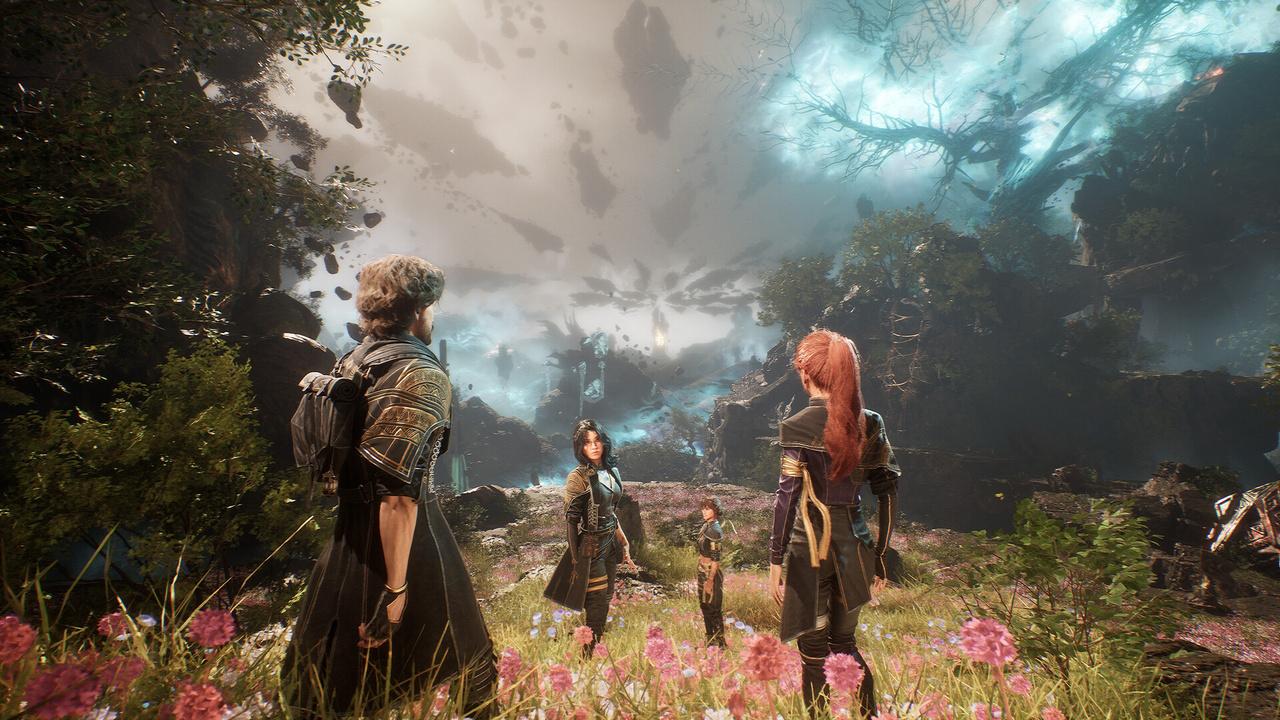
"If Sandfall pulls this off, Expedition 33 won't just be a great RPG on Switch 2—it'll be a case study in how to respect hardware limitations."
— TED