
Dragon Age Origins Looks Like a Toilet Bowl and That's Why We Need to Talk About Lost Knowhow
Mark Darrah says BioWare's old trilogy is worth remastering, but nobody remembers how to build it.
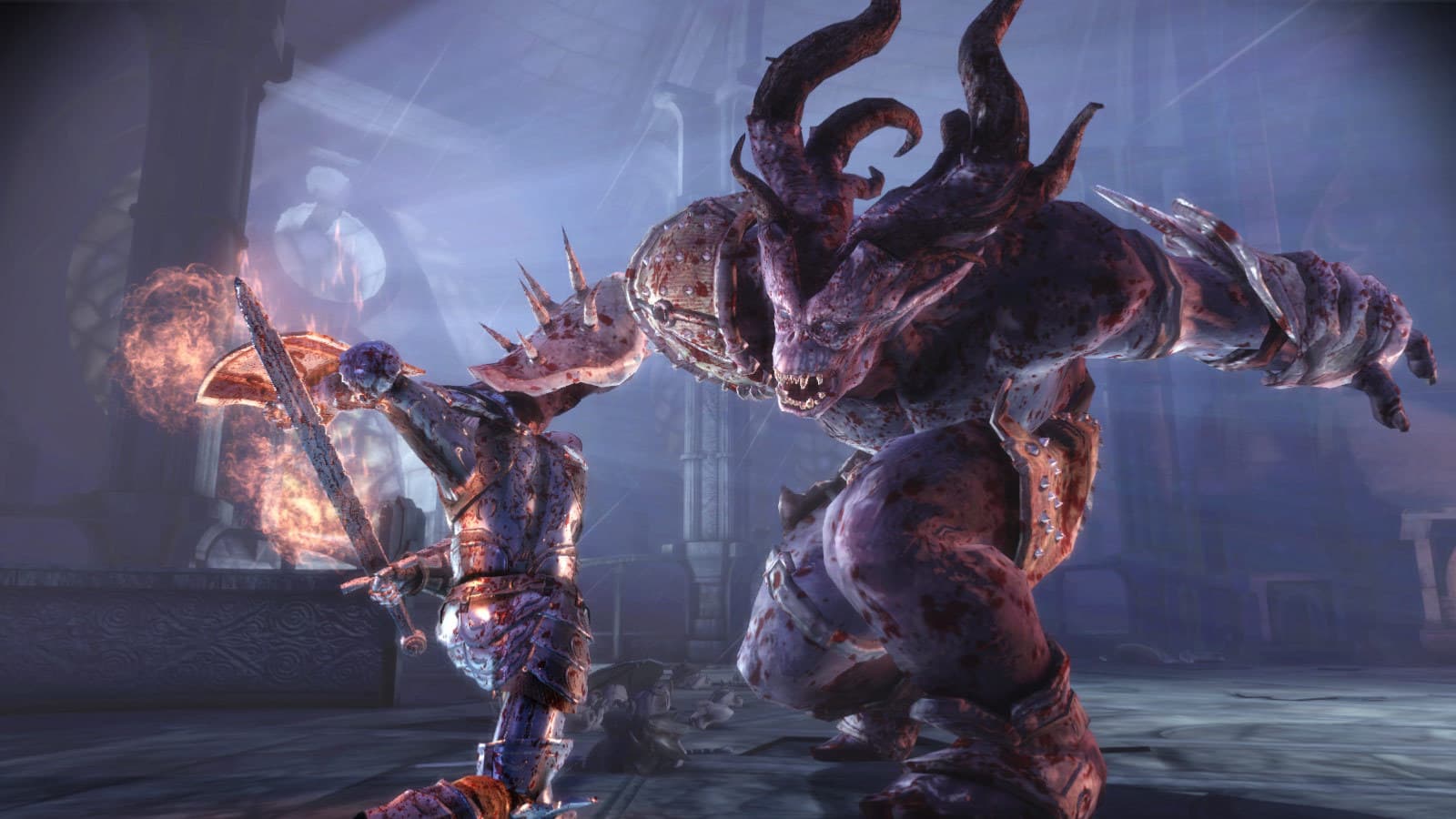
So Dragon Age: Origins was not the most attractive game. Mark Darrah, the old series producer, recently called it "a toilet bowl in a Silent Hill game" – his words, not mine, though I'm not about to argue. The game launched in 2009 with character models that looked like they were sculpted from mashed potatoes, environments that blurred into brown soup, and a color palette that seemed to be exclusively beige and sad. It was ugly. Everyone knew it. And yet, we played it. For hundreds of hours. Because what Origins lacked in graphical fidelity it made up for in almost everything else: branching choices, party banter that actually made you care, and a recruitment scene in a tavern that still feels more alive than half of today's open-world hubs.
But here's the thing Darrah pointed out that actually matters: BioWare and EA probably won't remaster the original Dragon Age trilogy. Not because they don't think it would sell – he thinks it would sell well – but because nobody inside or outside the studio really understands the proprietary Eclipse engine anymore. The people who built it have moved on. The documentation is incomplete. The codebase is a fossil that nobody can safely excavate.
This isn't unique. The original Resident Evil 2's source code was lost. Silent Hill 2's original was so tangled that the remaster had to be rebuilt almost from scratch. But there's a difference: those were failures of preservation in an era when preservation wasn't a priority. Dragon Age's case is a failure of institutional memory within a studio that still exists. BioWare didn't lose the code in a flood. They lost it because the knowledge lived in people's heads, and those people left. The company is still there. The brain isn't.
It's like finding out your favorite band can't play their early songs because the guitarist who wrote them left and nobody saved the tabs. Except the band is EA and the guitar tabs are the core technology behind one of the most beloved RPGs of its era. You can hire new musicians, sure. But they won't play it the same way. And sometimes that matters.
This matters if you're a Dragon Age fan who wants to replay Origins without wading through 2009's worst texture pop-in. It matters if you believe a studio should be able to revisit its own past. And it matters if you care about game preservation at a systemic level – because this is a case where the original creators are still around, but the tools and expertise have evaporated.
There's a strange comfort in acknowledging the ugliness, though. Origins doesn't need to be prettified. It succeeds because of its design, not its graphics. The camera angle that pulls back to show you the Darkspawn horde? That works because the game knows what it is. It's ugly, and it owns it. A remaster that cleaned up the textures but lost the combat feel would be worse than no remaster at all.
Darrah is probably right that a remaster would sell. But he's also right that it's not happening. Not because it's too expensive – because it's too risky. Messing with a game that people love, using tools nobody fully understands, is a recipe for disappointment. Sometimes the best thing you can do for an old game is leave it alone, let it age, and let its fans remember it as it was: ugly, brilliant, and absolutely worth playing anyway.
"Dragon Age: Origins deserves better than its own legacy of lost code, but a remaster without the original knowhow would be worse than no remaster at all."
— TED