
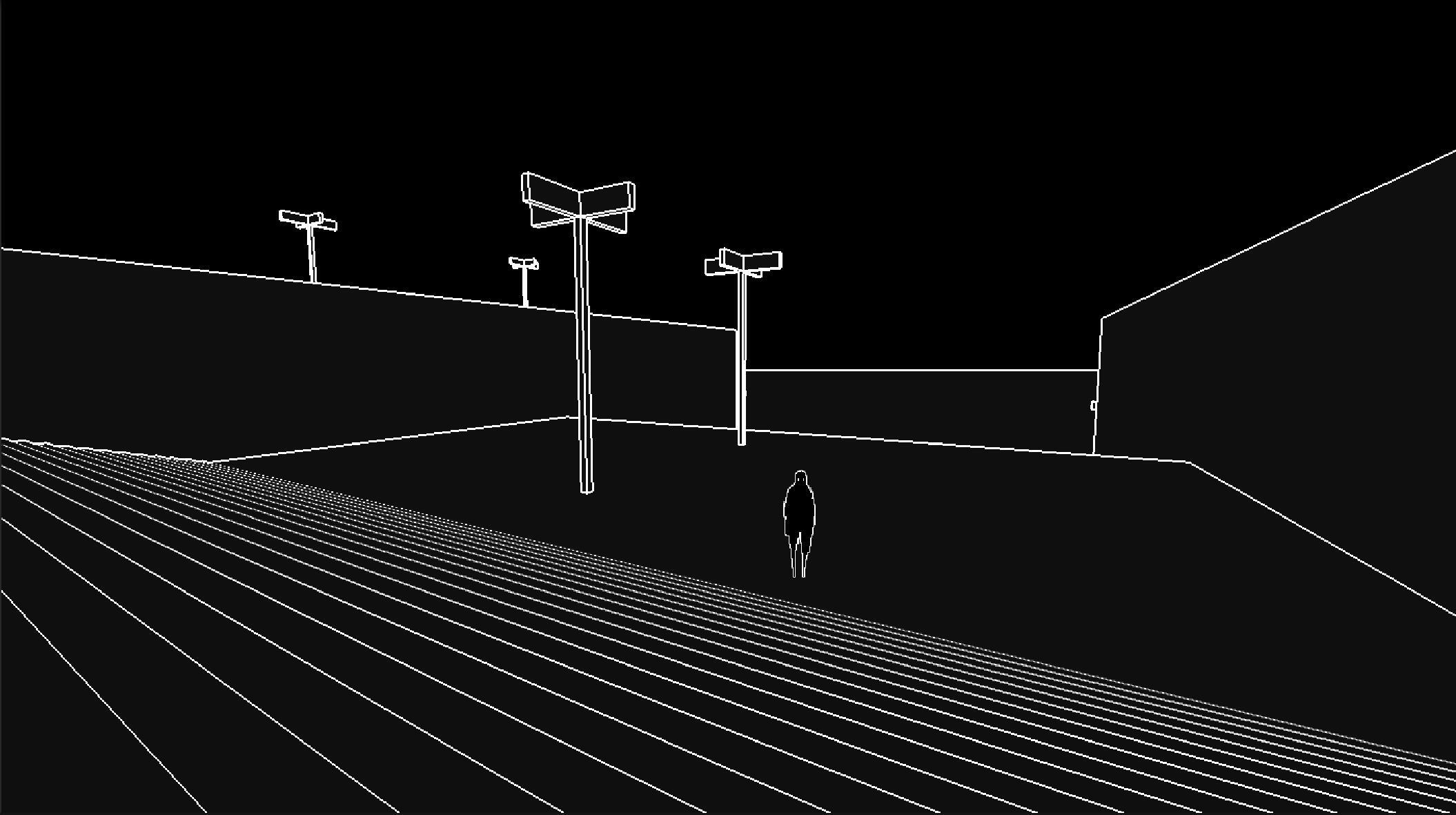
Lullabies Made of Static: The Quietest Brutalist Walking Sim Gets Its Due
Subtitle: In a genre built on concrete and silence, this one asks you to stay a little longer.
I've spent a lot of time in grey spaces. Not the emotional kind—the literal, architectural kind. The kind where every wall is unpainted concrete and every corridor echoes like a half-finished thought. Fugue in Void did it. The Norwood Suite did it in its own weird way. And now Lullabies Made of Static joins that lineage, which is a specific canon I didn't know I was curating until I saw the thumbnail.
Let me be clear: this is not a game for people who need things to happen. If you play games to solve problems, overcome obstacles, or even just move at a pace that feels like forward momentum, you will be frustrated here. Lullabies Made of Static is slower than its peers. It doesn't just let you wander—it makes you wander. The spaces are larger, the transitions longer, the moments of nothing more deliberate. Some people will call this boring. They're not wrong for their taste, but they're missing the point.
The point, as far as I can tell, is that brutalism in games has always been about making you feel small in a space that was designed without you in mind. That's the throughline from Control's shifting hallways to the empty plazas of Fugue in Void. But Lullabies Made of Static does something different: it makes the space feel like it was designed for someone who left. The emptiness isn't hostile. It's aftermath.
Here's the connection nobody's drawing: this is the same feeling I got from the abandoned mines in the original Pokémon Ruby and Sapphire. Not the caves you explore for Zubat encounters—the mines you can't enter, the ones that are just a doorway and a sign saying they're closed. As a kid, I stood in front of those doors wondering what was inside. The game never let me find out. Lullabies Made of Static is what's inside those doors. It's the space that exists because you weren't meant to see it.
Who is this for? It's for people who've stood in front of locked doors in games and felt more curiosity than frustration. It's for people who played Dear Esther and thought, "I wish this was weirder." It's for people who've finished a walking sim and immediately started a second playthrough just to see how the space changed now that you know the story. If that's not you, that's fine. Go play something with a gun. I'll be here, staring at a wall that's been textured to look like it has water damage, wondering if that's a clue or just a texture.
The demo sold me. Not because it did anything dramatic, but because it understood something fundamental about this genre: the best walking sims don't tell you where to look. They just give you a space and trust you to find what matters. Lullabies Made of Static trusts you a lot. Maybe too much for some people. But for the rest of us, that trust is the point.
I'm not going to pretend this is for everyone. It's not. It's for a specific kind of player who finds meaning in absence, who sees a grey concrete hallway and thinks "there's a story in the way the light hits that corner." If that's you, you already know whether you're going to play this. If it's not, you probably stopped reading three paragraphs ago.
Either way, Lullabies Made of Static is a welcome addition to a canon that doesn't get enough entries. It's slower than its peers, quieter than its inspiration, and more willing to let you sit in the silence. That's not a flaw. That's the feature.
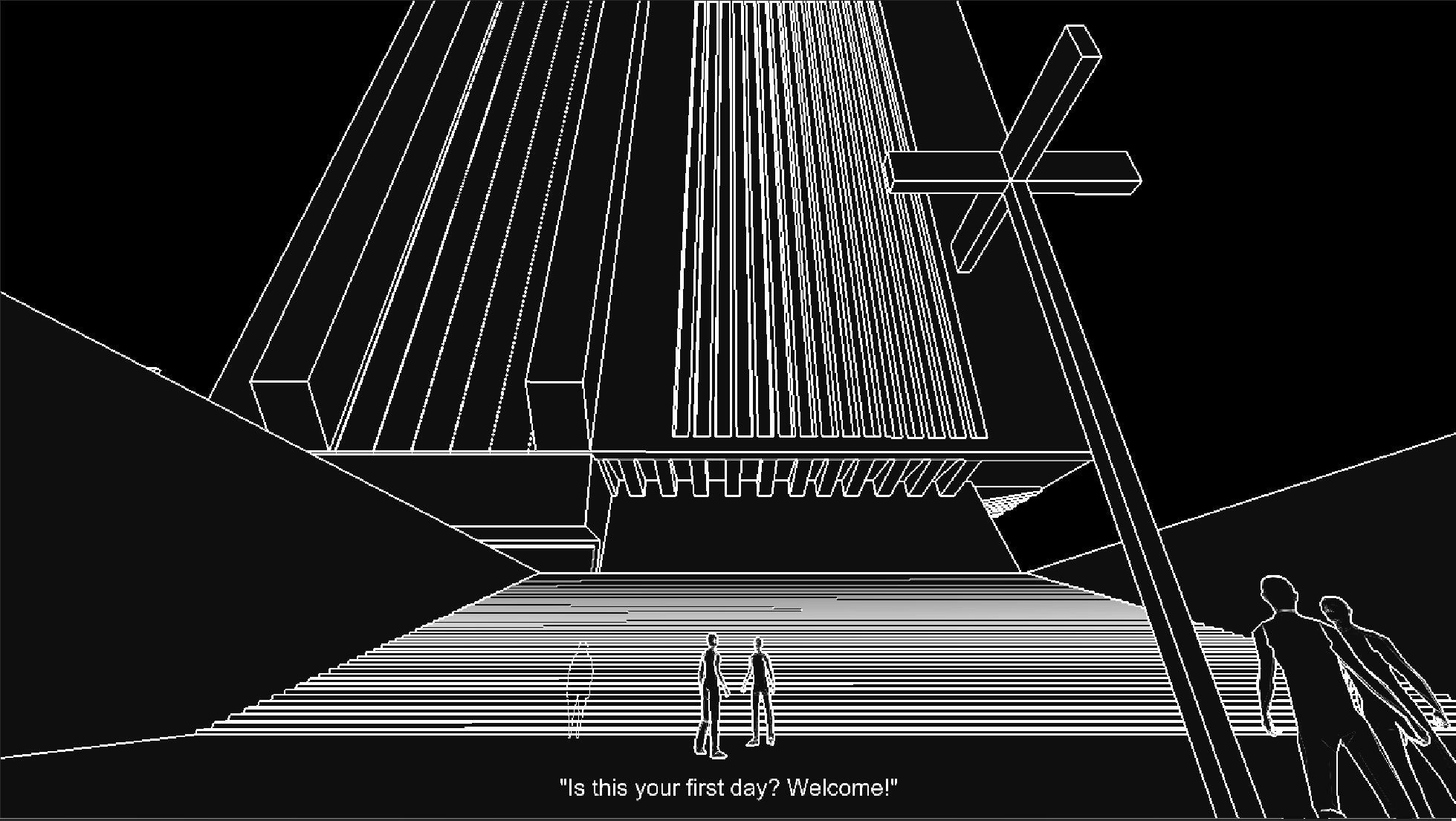
"Lullabies Made of Static isn't for everyone, but for those who find beauty in emptiness, it's an essential entry in the brutalist walking sim canon."
— TED