MIO: Memories In Orbit Gets a Proper Physical Release on Switch 2, and That Actually Matters
Subtitle: 2,000 copies, a cartridge, and the quiet war for ownership in 2026
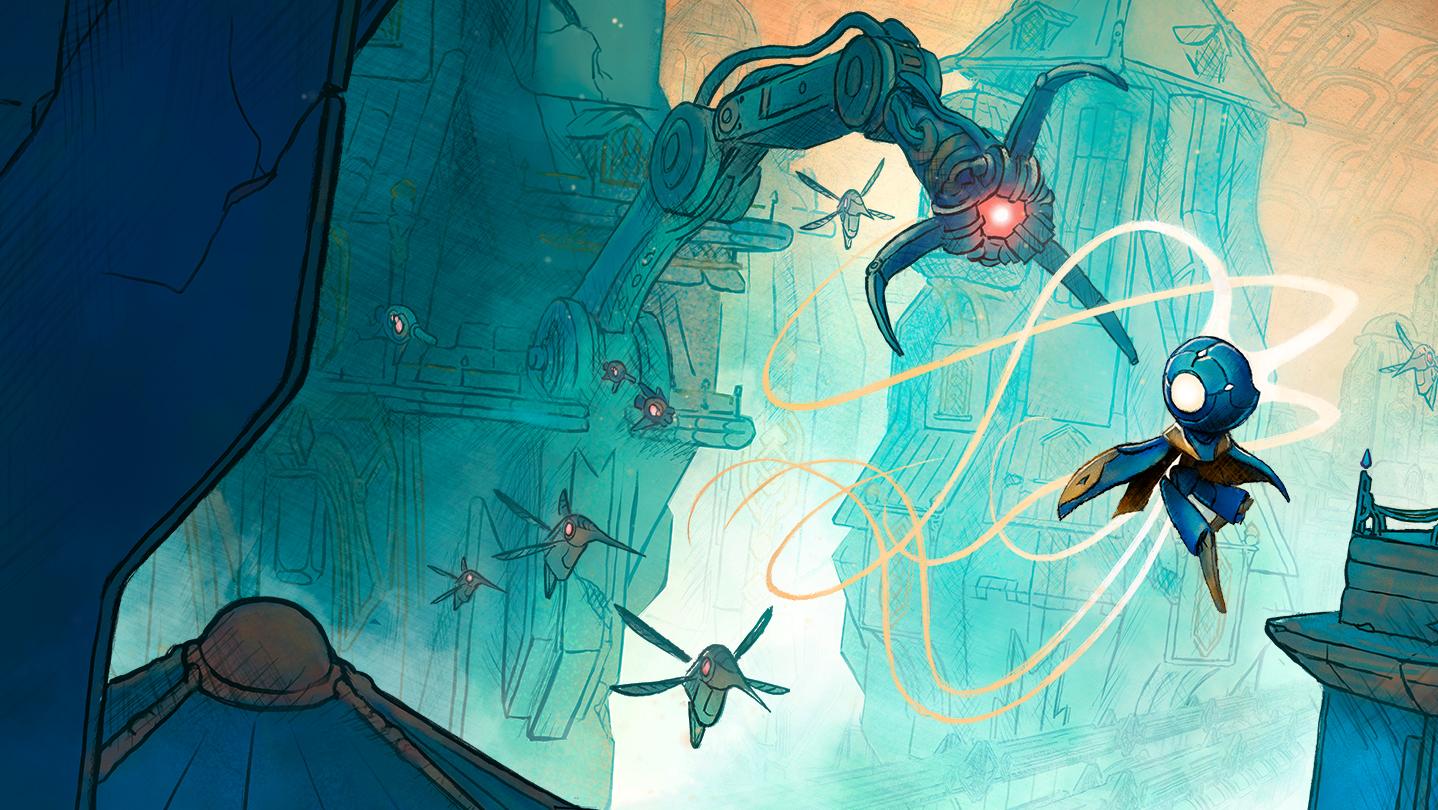
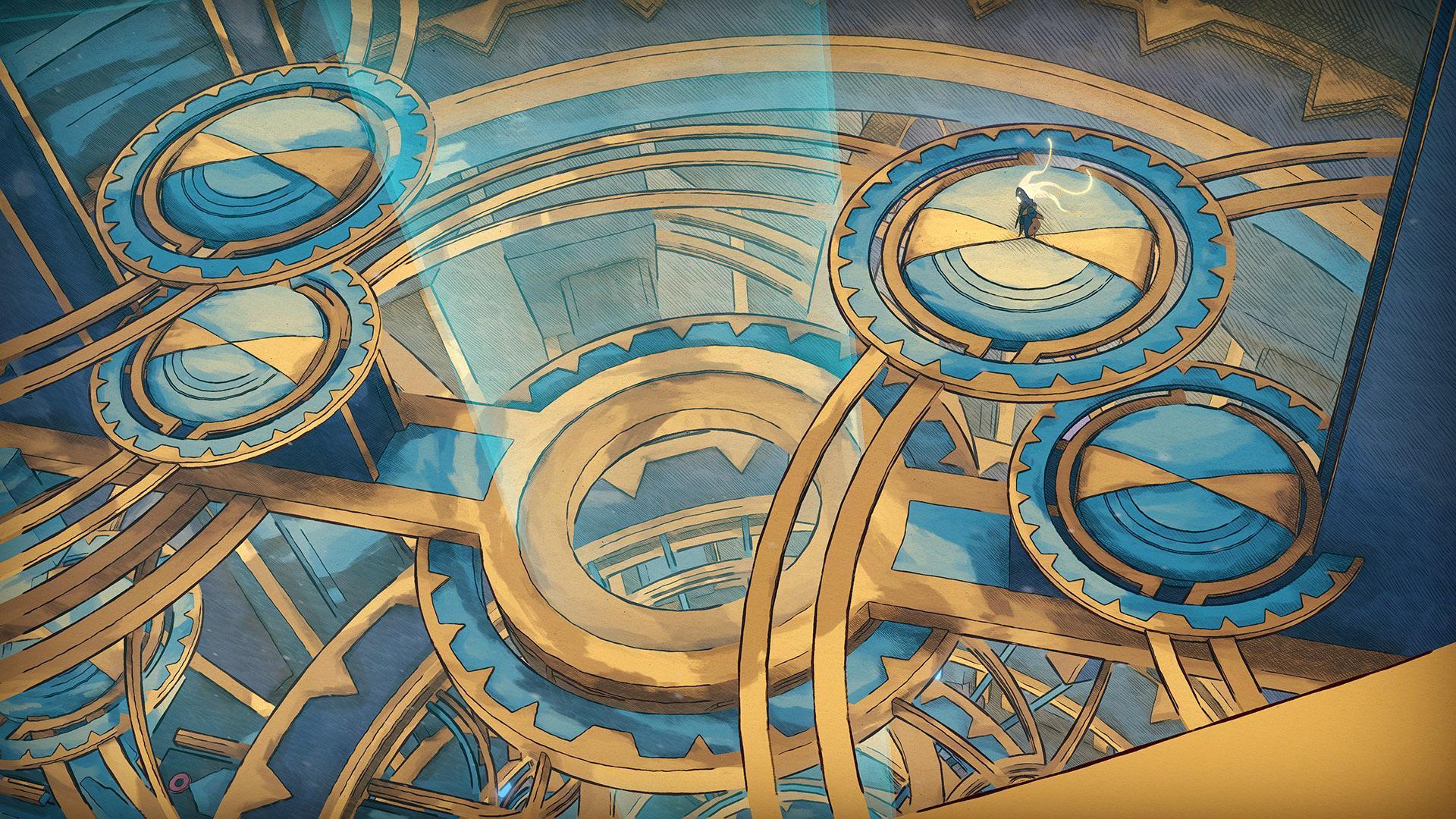
There's a moment in MIO: Memories in Orbit where you're drifting through a maintenance shaft, the camera pulled tight, and you realize the game has been teaching you how to read its spaces since the first screen. No map marker. No waypoint. Just the logic of the station itself. It's the kind of design that rewards attention, not reflexes. And it's exactly the kind of game that deserves to exist on a cartridge you can hold.
Pix'n Love announced a physical edition for Switch 2 — 2,000 standard copies in October 2026, 500 Collector's Editions in Winter. Both with the full game on cartridge. Both limited. Both arriving in a year where Sony has been quietly making digital the only option for some of its biggest releases, and where the conversation around ownership has shifted from "why would you want a disc?" to "wait, can they take this away?"
I'm not going to pretend 2,000 copies is a revolution. It's a niche run for a niche game on hardware that hasn't even launched yet. But it's a signal. Pix'n Love is betting that there are people who want to own MIO — not just access it. And they're right.
Here's the connection nobody's drawing: this is the same logic that drove the GBA era. Back then, you bought a cartridge and that was it. No patches. No online passes. No store closure that turned your library into a paperweight. The game was the game, start to finish. MIO fits that mold better than most modern metroidvanias because it doesn't rely on post-launch updates or live-service hooks. It's a complete statement. Putting it on a cartridge isn't retro fetishism — it's preservation.
I've been thinking about this since I played through the demo last year. MIO isn't trying to be Hollow Knight or Ori. It's quieter. More methodical. The movement has weight without being punishing. The upgrades feel earned without being telegraphed. It's the kind of game where you finish an area and immediately want to talk about a specific room layout, not a boss fight. That's rare. That's worth owning.
Who is this for? It's for people who still buy games on physical media knowing full well they'll have to swap cartridges. It's for people who remember the panic when the 3DS eShop shut down and suddenly a generation of digital-only releases became inaccessible. It's for anyone who's ever looked at their Steam library and wondered what happens if Valve has a bad quarter.
But it's also for people who just want the box. The art. The map that comes folded inside. The ritual of putting a cartridge into a slot and hearing it click. That's not nostalgia — that's ceremony. Games deserve ceremony.
MIO: Memories in Orbit is good enough to justify the effort. The physical run is small enough that it'll sell out before most people know it exists. That's the tension. The games worth preserving are often the ones that slip through the cracks. Pix'n Love is trying to catch one before it falls.
I'll be there at 9:59 AM on preorder day, refreshing the page like it's 2006 and I'm trying to get a copy of Okami before it disappears. Some things don't change. Some things shouldn't.
"MIO deserves to exist on a cartridge, and 2,000 copies is both too few and exactly enough to matter."
— TED